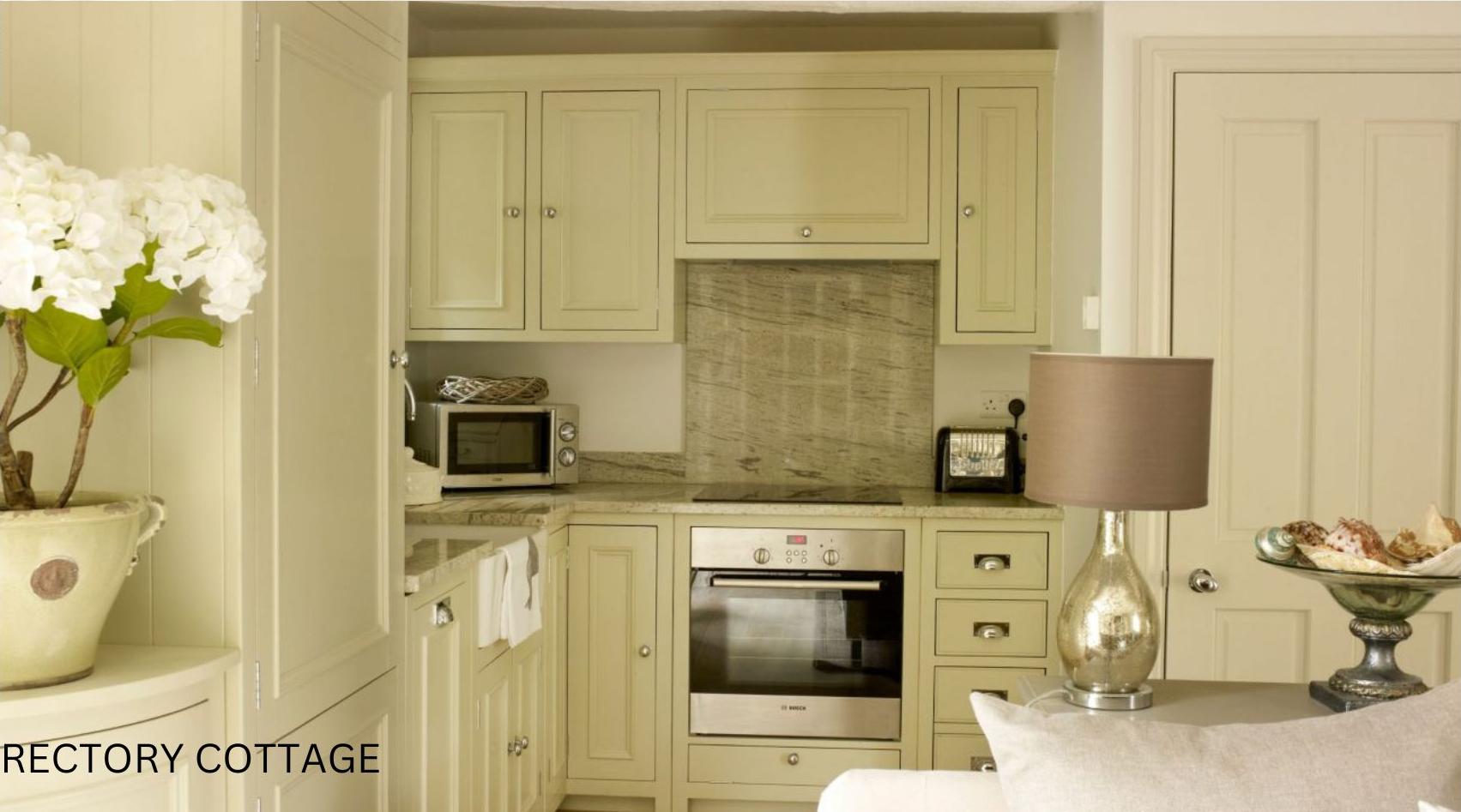
Rutland has one of the highest concentrations of listed buildings and conservation areas per head of population in the country, and villages across South Leicestershire share a similar character. Renovating a property in this kind of setting comes with rules and considerations that simply do not apply to a standard suburban house.
Listed Building Consent
If your property is listed, Grade I, Grade II* or Grade II, you need listed building consent for almost any alteration that affects its character, inside or out. This applies even to changes that would not normally need planning permission elsewhere, such as replacing windows, altering internal layouts, or removing original features. Carrying out unauthorised work on a listed building is a criminal offence, not just a planning breach, so this is not an area to guess and hope.
Conservation Areas
Even if your specific property is not listed, being within a conservation area brings additional restrictions on permitted development rights. Many alterations that would be automatic elsewhere, such as certain extensions, roof changes, or replacing windows and doors, need a full planning application within a conservation area. It is worth checking your property's status with the local council before assuming a project falls under permitted development.
Working With Traditional Materials
Older rural properties in this region are often built from local stone, timber frame, or lime render and mortar rather than modern brick and cement. Getting a renovation right means:
- Sourcing matching stone or reclaimed materials where repairs are needed
- Using lime-based renders and mortars that allow the building to breathe, rather than modern cement which can trap moisture and cause long-term damage
- Repairing rather than replacing original joinery and features wherever feasible, both for character and because conservation officers often expect this approach
Septic Tanks, Private Drainage and Rural Access
Rural properties frequently rely on private drainage systems rather than mains sewerage, which affects both renovation planning and any additional facilities being added. Access for materials and machinery can also be more limited on rural lanes and in village centres, which needs planning into the schedule for deliveries, skips and larger plant.
Why Local Experience Matters Here
We have worked across Rutland and the surrounding villages for over 30 years, including projects in conservation areas and on period cottages that needed a careful, considered approach rather than a standard renovation playbook. Understanding what the local conservation officer will and will not accept, and working with materials and methods suited to older buildings, avoids costly delays and rework.
If you own a rural or listed property in Rutland or South Leicestershire and are planning a renovation, get in touch. We will talk through what consents you need before any work begins.