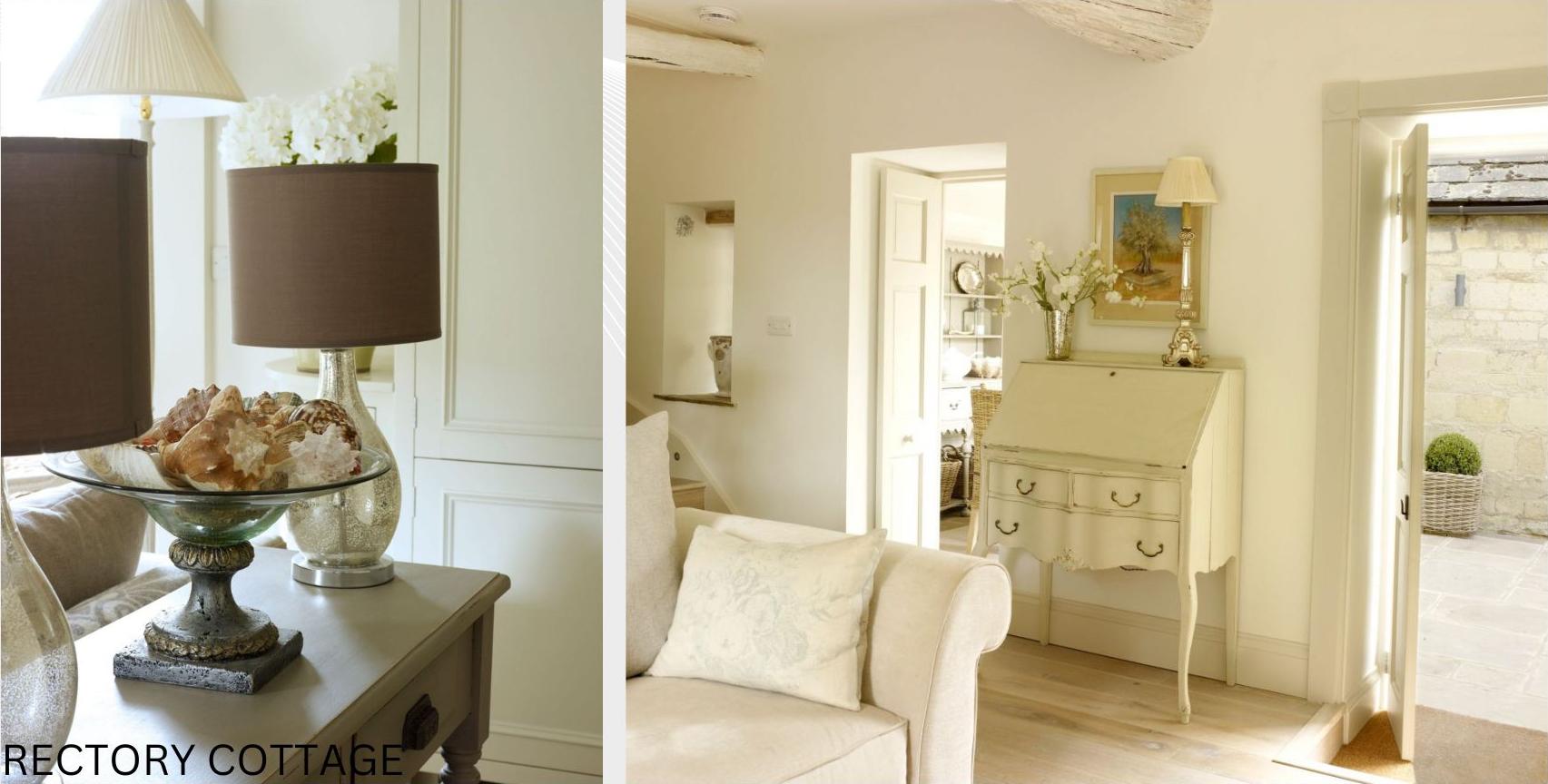
South Leicestershire and Rutland have a genuine mix of housing stock: Victorian terraces, stone cottages several centuries old, 1930s semis, and modern estate housing built in the last twenty years. Each of these needs a different approach to renovation, and treating them the same is where a lot of projects go wrong.
Period Properties: Working With What's There
Older properties, particularly those built before the 1920s, often have:
- Solid walls rather than a cavity, meaning insulation and damp-proofing need different materials and techniques to avoid trapping moisture
- Uneven floors and walls, which affects everything from tiling to fitted furniture and needs to be accounted for rather than fought against
- Original features worth preserving, such as fireplaces, cornicing, exposed beams or timber floors, which shape how a renovation should be designed around them rather than removed as inconvenient
- Conservation area or listed status in many villages, meaning planning constraints on materials, window styles and visible alterations are often stricter than a homeowner expects
Getting a period renovation right usually means slower, more considered work, using breathable materials like lime plaster and mortar, and a builder who understands why modern shortcuts do not always suit an old building.
Modern Homes: Different Constraints, Different Opportunities
Properties built from the 1990s onwards tend to have:
- Standardised construction, meaning structural assessments and extensions are often more predictable and less prone to hidden surprises
- Trussed roofs, which usually make loft conversions more involved structurally than in an older cut-roof property
- Existing cavity walls and modern insulation standards, meaning efficiency upgrades focus more on incremental improvements than fundamental changes
- Fewer planning restrictions in most cases, unless the property sits within a more recent conservation designation
Renovations on newer homes are often more straightforward in terms of materials and technique, but structural work, particularly loft conversions and larger extensions, can require more engineering input due to how trussed roofs and modern floor systems are built.
Why the Right Experience Matters
A builder who has spent years working almost exclusively on new-build extensions may not have the same instinct for period properties, and vice versa. We work across both, from centuries-old cottages in villages like Burton Overy to more recently built family homes across Leicester, and adjust our approach to the specific building in front of us rather than applying one method to every job.
Whatever era your home was built in, get in touch and we will tell you honestly what it needs, not what would be easiest for us to deliver.