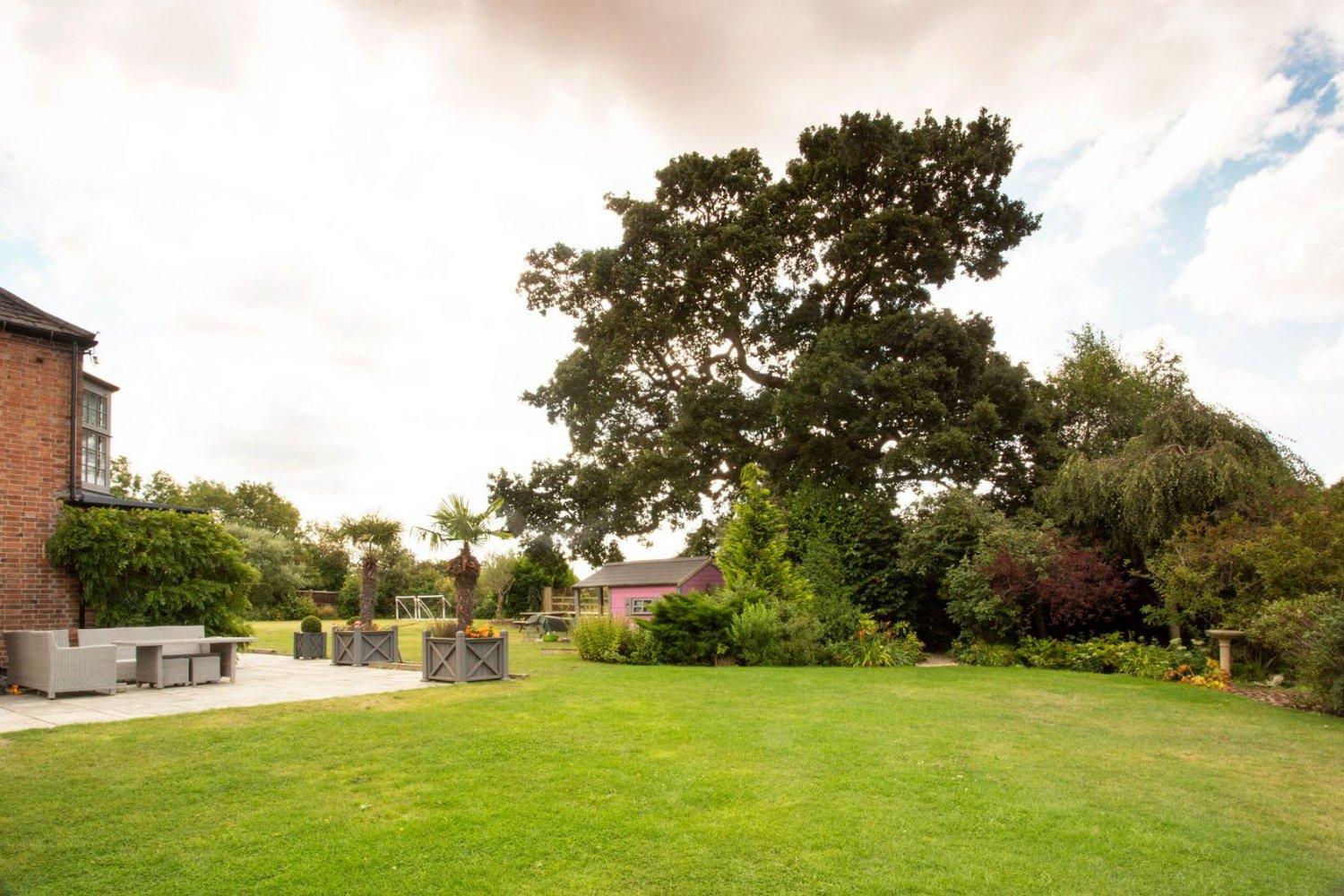
Not every need for extra space means extending the house itself. A garden room or converted outbuilding can deliver a home office, gym, or guest space without the disruption, planning complexity or cost of a full extension. Here is when it makes sense, and when it does not.
When a Garden Room Makes Sense
- You need a dedicated, quiet space for working from home, separate from the noise and interruptions of the main house
- You want additional space without living through months of internal building work
- Your garden has room to spare and the house itself does not have an obvious extension option
- You want flexibility, since a garden room can often be repurposed more easily than a permanent extension if your needs change
Planning Permission for Garden Buildings
Many garden rooms fall under permitted development, provided they meet certain conditions:
- Single storey, with a maximum eave height of 2.5m and overall height limits depending on roof style
- Not positioned forward of the principal elevation of the house
- No more than half the garden covered by outbuildings and extensions combined
- Not used as separate, self-contained living accommodation with its own cooking and sleeping facilities, which would usually require full planning permission and potentially a change of use application
If you are on a conservation area or your property is listed, these permitted development rights are more restricted, so it is worth checking before committing to a design.
Building Regulations Still Apply in Certain Cases
A garden room used purely for storage or occasional hobby use often falls outside full building regulations. However, if it is intended for regular habitable use, an office used daily, or includes plumbing, heating or is over a certain size, building regulations are likely to apply, particularly around insulation, electrical safety and structural stability. We assess this properly at the design stage rather than assuming a garden building is automatically exempt.
What It Costs
A well-built, insulated garden room suitable for year-round use typically costs £15,000 to £30,000 depending on size, finish and services such as plumbing or a separate bathroom. This compares favourably to an equivalent-sized house extension once you factor in the lack of internal disruption and generally shorter planning and build timeline.
Converting an Existing Outbuilding
If you already have a garage, barn or outbuilding on site, converting it is often more cost-effective than building new, though older structures need a proper structural survey to confirm the roof, walls and foundations are suitable before committing to a design.
If you are considering a garden room or outbuilding conversion, get in touch and we will help you understand what is achievable on your plot before you start designing around assumptions.