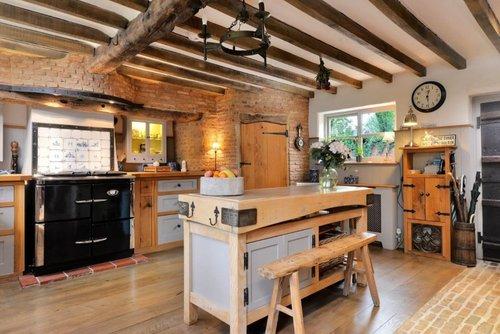
Once a renovation's structure and layout are settled, the conversation shifts to finishes, and this is where budgets can either stay under control or quietly spiral. Here is how we advise clients to think about where money genuinely makes a visible difference, and where it does not.
Flooring
Solid wood floors look beautiful but come at a premium, and in kitchens or bathrooms are not always the most practical choice given moisture exposure. Engineered wood gives a very similar appearance at a lower cost and with better stability in areas with underfloor heating. For bathrooms and kitchens, large-format porcelain tiles now come in convincing wood-effect finishes if the look of timber is wanted without the practical downsides.
Worktops
Natural stone worktops, granite and quartzite, are beautiful but expensive and need periodic sealing. Engineered quartz gives a similar high-end appearance, is more resistant to staining, and generally costs less. Laminate worktops have improved significantly in recent years and, in the right colour and finish, are a sensible choice for a budget-conscious kitchen without looking obviously cheap.
Paint and Wall Finishes
This is one area where spending more rarely shows up as a visible difference once the paint is on the wall. A well-applied mid-range trade paint, properly prepared surfaces, looks as good as a premium designer brand. Where spending more genuinely matters is in preparation, filling, sanding and priming properly, since this affects the finished look far more than the paint brand itself.
Doors, Handles and Ironmongery
These small details get handled constantly and are one of the first things people notice, even subconsciously. Good quality hinges, handles and door furniture are worth the modest extra cost, since cheap versions tend to loosen, stick or look worn within a couple of years.
Bathroom Sanitaryware
The valve behind a shower or tap matters more than the visible fitting in front of it. A mid-range tap with a reliable, well-known valve mechanism will outlast a cheaper option with a flashier design, and a failed valve means removing tiling to access it, which costs far more than the money saved buying cheap in the first place.
Our General Rule of Thumb
Spend on anything that is difficult or expensive to change later: waterproofing, plumbing valves, structural finishes, and good quality ironmongery that gets handled daily. Save on anything that is easy to update later without major disruption: paint colour, cushions and soft furnishings, and cosmetic finishes that can be refreshed in a few years without touching the fabric of the room.
If you want honest guidance on where your renovation budget should go, get in touch and we will help you prioritise before you start ordering materials.